
The Expectation Gap
Most people assume opening a bank account is a service transaction: you want to give a bank your money, and they should be happy to take it. In reality, for a foreigner, it is a compliance interrogation. Banks are under immense regulatory pressure to prevent money laundering (AML) and terrorism financing. A new arrival with no local financial footprint looks remarkably like a risk. Expect suspicion, not a welcome mat. The "customer service" experience only begins after compliance has cleared you.
Your Bank Account Is Your Digital Identity
A local bank account is not just a place to store money -- it is your digital identity key. Without a local IBAN or account number, you often cannot sign a mobile phone contract, set up home internet, pay utility bills, or receive your salary. In many countries, landlords will not sign a lease until you have a local account. One missing piece of paper halts your entire settlement process.
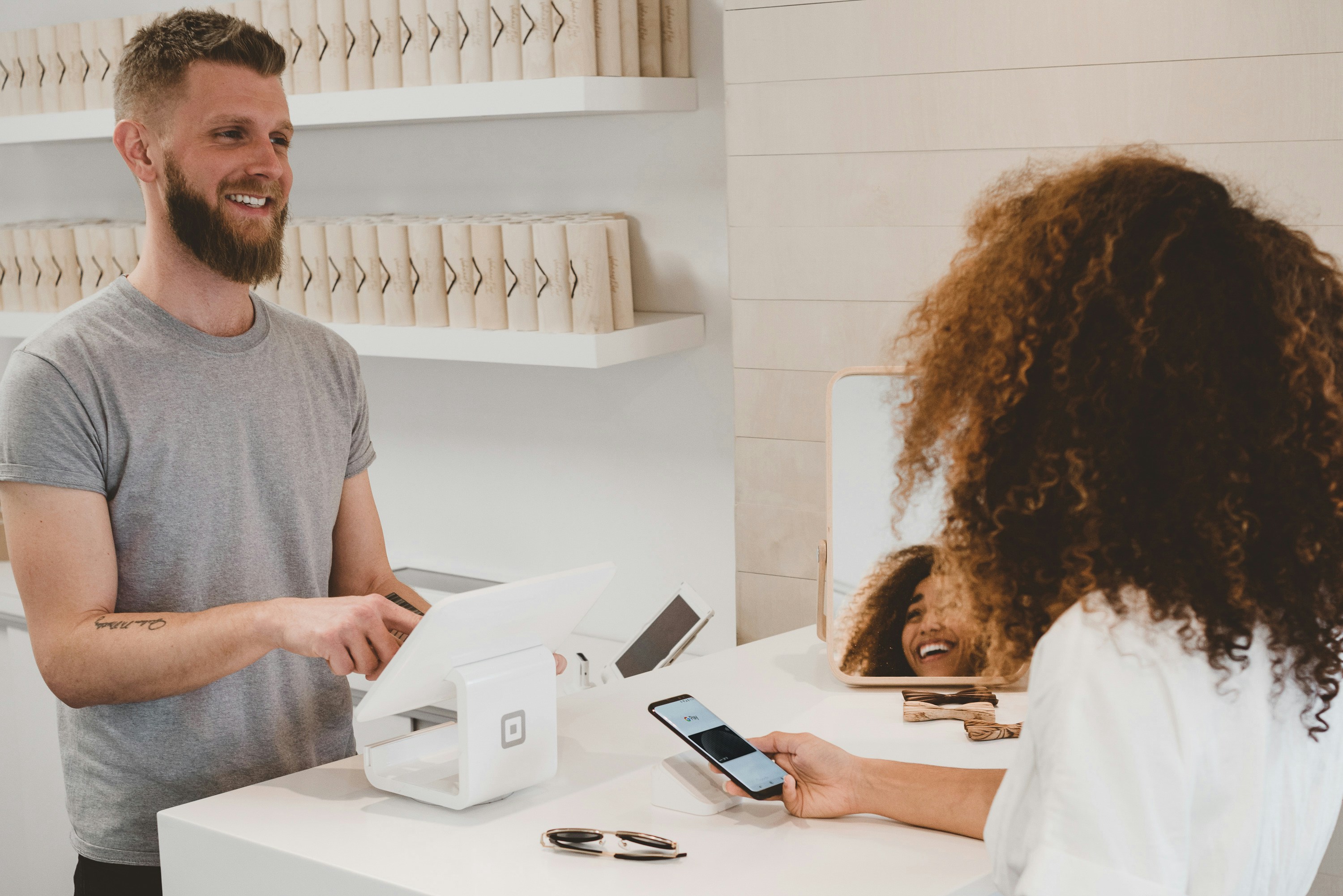
Neobanks like Revolut, N26, and Monzo can break the proof-of-address deadlock with simpler verification requirements.
The Chicken-and-Egg Problem
The classic deadlock: You need Proof of Address to open a bank account. You need a bank account to pay the rent to get Proof of Address. This loop traps thousands of newcomers. The solution is often "Neobanks" (like Revolut, N26, or Monzo). These digital-first banks have different risk appetites and smoother verification processes for foreigners. They are excellent "landing" accounts. Use them to break the deadlock, get your salary flowing and bills paid, and then -- months later -- open a traditional "brick and mortar" account if you need one for credit or loans.
Silent Rejections Are Common
Sometimes, a bank will simply refuse to open an account without giving a reason. They might say "company policy" or "internal criteria." This is often not about you personally, but about your nationality, your visa type, or the source of your initial deposit. If you are rejected, do not argue. It is rarely a decision the branch manager can override. Move immediately to the next bank.
Documents to Prepare Before Your First Bank Visit
- Valid passport with entry stamp or visa
- Proof of local address (registration certificate, utility bill, or temporary accommodation confirmation)
- Employment contract or university enrollment letter
- Tax identification number (if already issued)
- Proof of initial deposit source (home country bank statement)
Start Before You Land
Many Neobanks allow you to start the verification process while you are still in your home country, or immediately upon arrival at your temporary accommodation. The goal is to have a working card in your hand within 48 hours of landing. Every day you spend using your home currency card is a day you are bleeding money to exchange fees and delaying your integration.
Key Takeaway
Do not wait until you arrive to think about banking. Open a Neobank account before departure, use it to break the proof-of-address deadlock, and treat your local bank account as critical infrastructure -- not an afterthought.


