
The Assumption That Costs You Hundreds
Currency conversion feels like a rounding error. A few cents here, a small percentage there. You check the rate once, decide it looks reasonable, and stop thinking about it. On a single transaction, the cost is invisible. But relocation is not a single transaction -- it is hundreds of transactions over months, often involving large sums. On a deposit of 3,000 euros, a first year of living expenses of 30,000 euros, and periodic transfers from your home account, a 2-3% spread is not a rounding error. It is 600 to 900 euros. That is a month of groceries or a flight home.
The "Zero Commission" Trap
Currency kiosks and traditional banks advertise "0% Commission" because it is technically true and practically a lie. Instead of a visible fee, they widen the spread -- the gap between the mid-market rate (what currencies actually trade at) and the retail rate (what you pay). If the real rate is 1.00, they sell at 0.95. That 5% gap is pure profit for them and pure loss for you. Airport kiosks routinely charge 5-8% spreads. Some hotel exchange desks are even worse.
Always Check the Mid-Market Rate
Before any exchange, check the mid-market rate on Google or XE.com. If the offered rate is more than 0.5% worse, you are overpaying. This 30-second check can save you hundreds of euros over the course of your relocation.
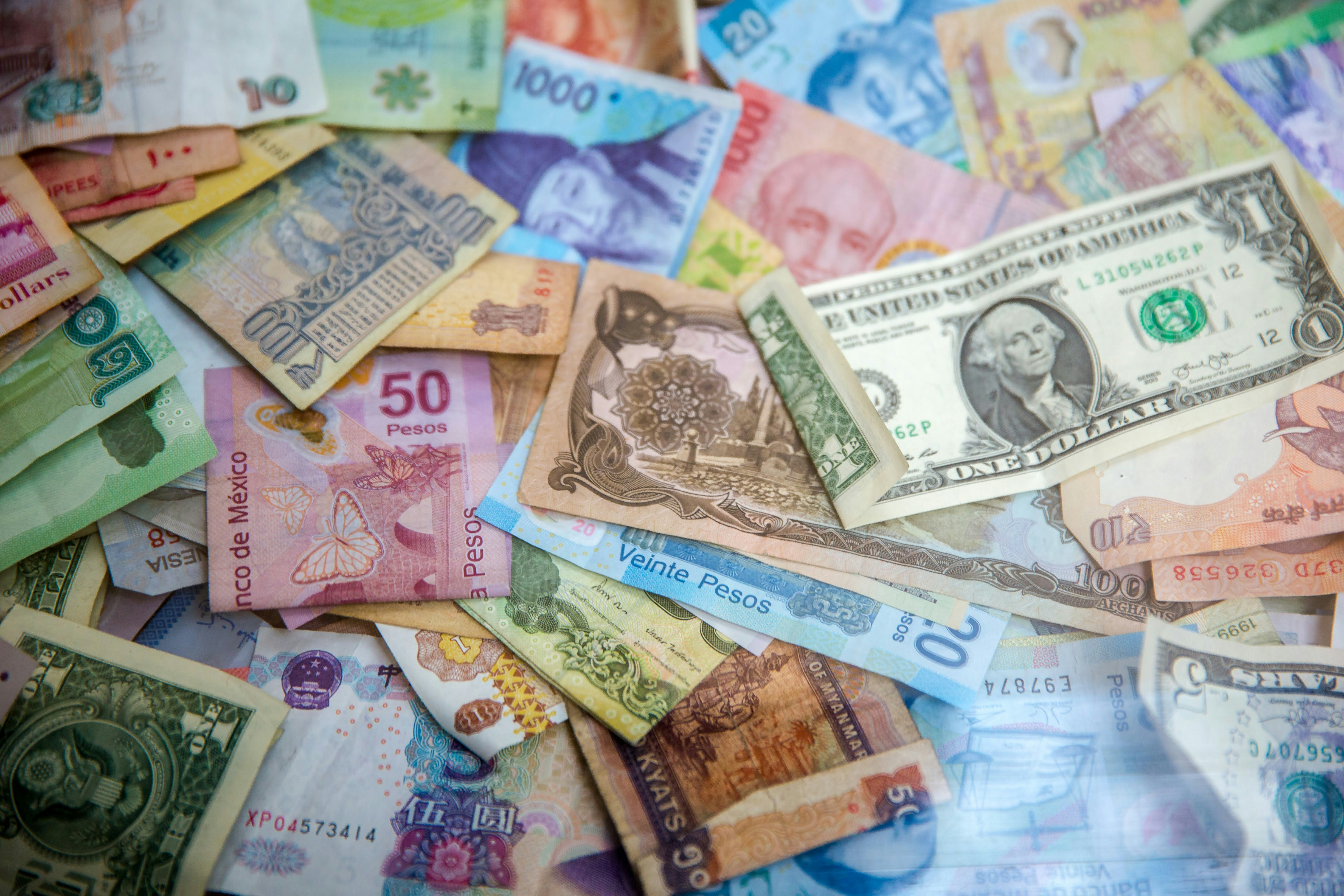
The rates displayed at airport kiosks typically include a 5-8% markup over the real mid-market rate.
Dynamic Currency Conversion: The Most Dangerous Button
The most dangerous button on a payment terminal abroad is "Pay in your home currency." When a terminal asks whether you want to pay in local currency or your home currency, choosing your home currency triggers Dynamic Currency Conversion. The merchant's bank does the conversion at a rate they set -- typically 3-5% worse than mid-market. Always pay in the local currency. Let your own bank or card issuer handle the conversion. Their rates are almost always better, and if you are using a multi-currency card like Wise or Revolut, the conversion happens at near mid-market rates.
Multi-Currency Accounts Are Infrastructure
Services like Wise, Revolut, and N26 allow you to hold balances in multiple currencies and convert at mid-market rates with transparent fees (usually 0.3-0.5%). You can convert money when rates are favorable and spend from the local currency balance. If you are relocating and will earn in one currency while still having obligations in another, a multi-currency account is not a nice-to-have. It is infrastructure.
Protecting Your Purchasing Power
- Always pay in local currency at terminals -- never accept "pay in home currency"
- Open a multi-currency account before departure
- Convert large sums in 3-4 chunks over 2-3 weeks to average out rate fluctuations
- For transfers above 5,000 euros, consider forward contracts via Wise Business or OFX
- Avoid airport kiosks and hotel exchange desks entirely
- Treat the exchange rate as a recurring budget line item, not a one-time event
Key Takeaway
Currency exchange is not a one-time event -- it is an ongoing cost that compounds over your entire time abroad. Set up a multi-currency account before you move, convert in bulk when rates are favorable, and never accept Dynamic Currency Conversion. A 2-3% spread across a year of living expenses adds up to a month of lost income.


