
The Assumption
In a world of English-as-a-second-language and Google Translate, language barriers feel manageable. You expect official communication to be available in English, or at least to come with enough visual cues to understand the gist. Worst case, you scan it with your phone and get a rough translation.
The Reality
Government agencies, tax authorities, insurance companies, and courts communicate exclusively in the official language. In Germany, your tax assessment arrives in formal German with legal terminology that even native speakers struggle with. In France, your Securite Sociale letters use administrative French full of acronyms. In Japan, your ward office correspondence is entirely in Japanese with no English alternative. These are not informational letters -- they are legal documents with response deadlines. A missed deadline on a tax notice you did not understand carries the same penalty as a missed deadline on one you read perfectly.
Machine Translation Has Limits
Google Translate handles conversational language well. It handles bureaucratic language poorly. Administrative terms are specific to each country's legal system and often have no direct equivalent. A German 'Steuerbescheid' is not just a 'tax decision' -- it is a specific legal document with specific appeal rights and a specific 30-day response window. A machine translation that renders it as 'tax notice' strips the legal context. For anything with a deadline, a fine, or a legal consequence, you need a human who understands both the language and the administrative system.
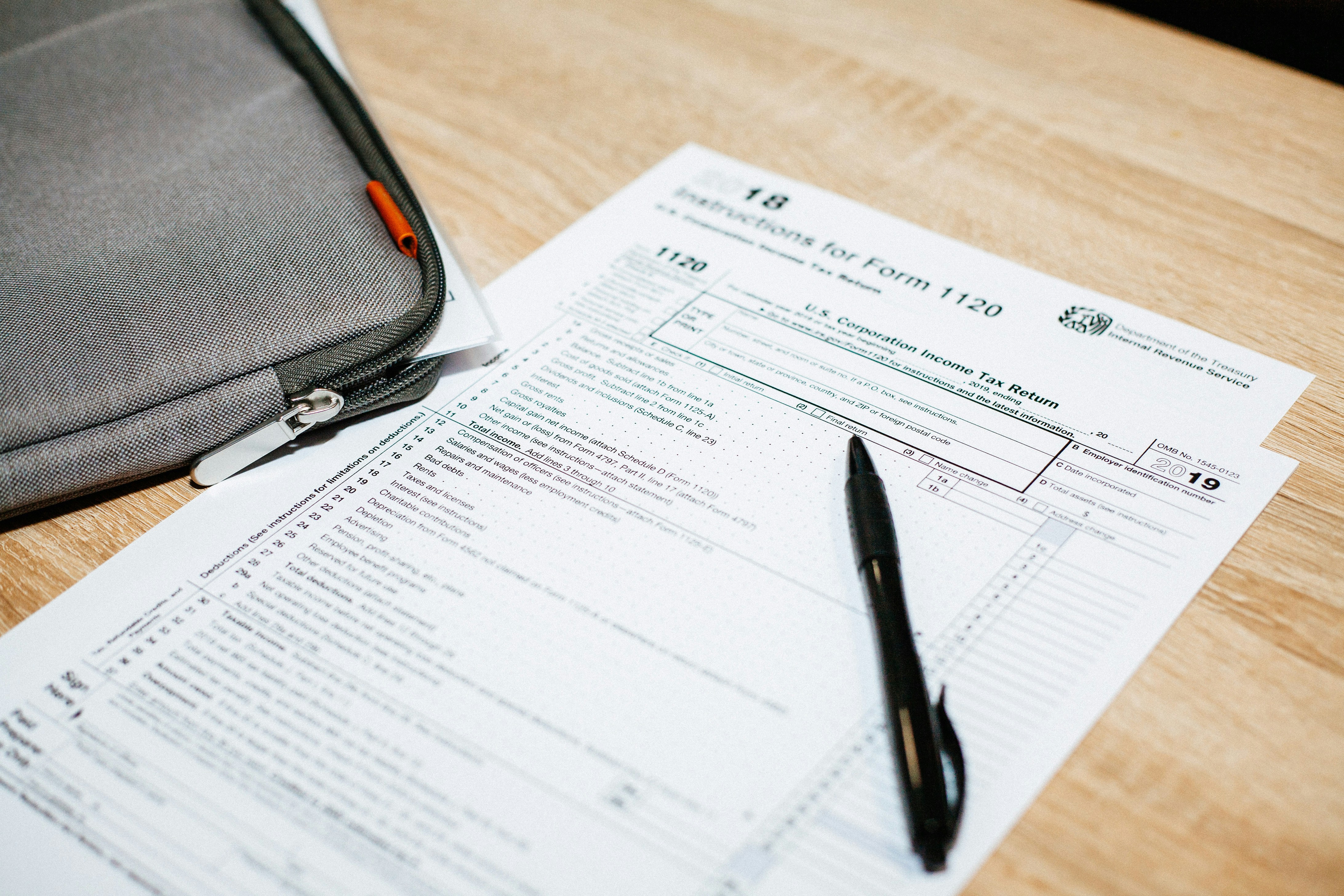
Every official letter is potentially time-sensitive until proven otherwise -- even if you cannot read the envelope.
The Postal System Still Matters
Despite digital advances, many countries still rely on physical mail for official communication. Your tax return confirmation arrives by post. Your residence permit renewal notice arrives by post. Your health insurance card arrives by post. If your name is not on the mailbox -- because your landlord did not add it, or because the building uses a numbering system you did not understand -- these letters are returned to sender. You never receive them. The deadline passes. The consequence arrives as a fine or a missed appointment.
Put Your Name on the Mailbox Immediately
In shared housing, ensure your full legal name is on the mailbox from day one. It sounds trivial, but mail carriers will return letters if they cannot match the name to the address. One missing letter can mean a missed deadline, and a missed deadline can mean a fine or a voided application.
Building a Translation System
- Photograph every page of official mail immediately upon receipt
- Run it through a translation app for triage: informational or action-required?
- Look for numbers, dates, and currency amounts -- universal signals of deadlines and payments
- If the letter mentions a deadline or a sum, do not act on machine translation alone
- Ask a local colleague, relocation community, or professional translator for help
- Build a folder (physical or digital) for all official correspondence -- you will need these later
- Learn to recognize key words in the local language: "deadline," "fine," "payment," "response required"
The language barrier in daily life is a social friction. The language barrier in official mail is a legal risk.
— GoMate Editorial
Key Takeaway
Treat every official letter as potentially time-sensitive until proven otherwise. Establish your translation process before the first letter arrives. Know who you will ask for help. And never leave official mail unopened because you cannot read the envelope -- the deadline inside does not wait for you to learn the language.


