
The Assumption
You sign up for internet, a technician comes, and you are online. Maybe it takes a few days. In the meantime, you have mobile data. Internet setup feels like a minor logistics task -- something you handle alongside unpacking boxes.
The Reality
In many countries, home internet is a contract service that requires identity verification, a registered address, and sometimes a bank account for direct debit. In Germany, a typical internet installation takes 2-4 weeks from order to activation. In Japan, it can take 4-6 weeks and requires a specific type of building permission. In some countries, the previous tenant's contract must be formally terminated before a new one can be activated at the same address -- a process you have no control over. If you work remotely, those weeks without reliable home internet are not an inconvenience. They are a threat to your income.
The Contract Trap
Internet contracts abroad often come with minimum terms of 12-24 months and significant early termination fees. If you are on a temporary visa or uncertain about your living situation, signing a 24-month internet contract is a financial risk. Some providers offer month-to-month plans, but at significantly higher rates. Others require a credit check that newcomers cannot pass.
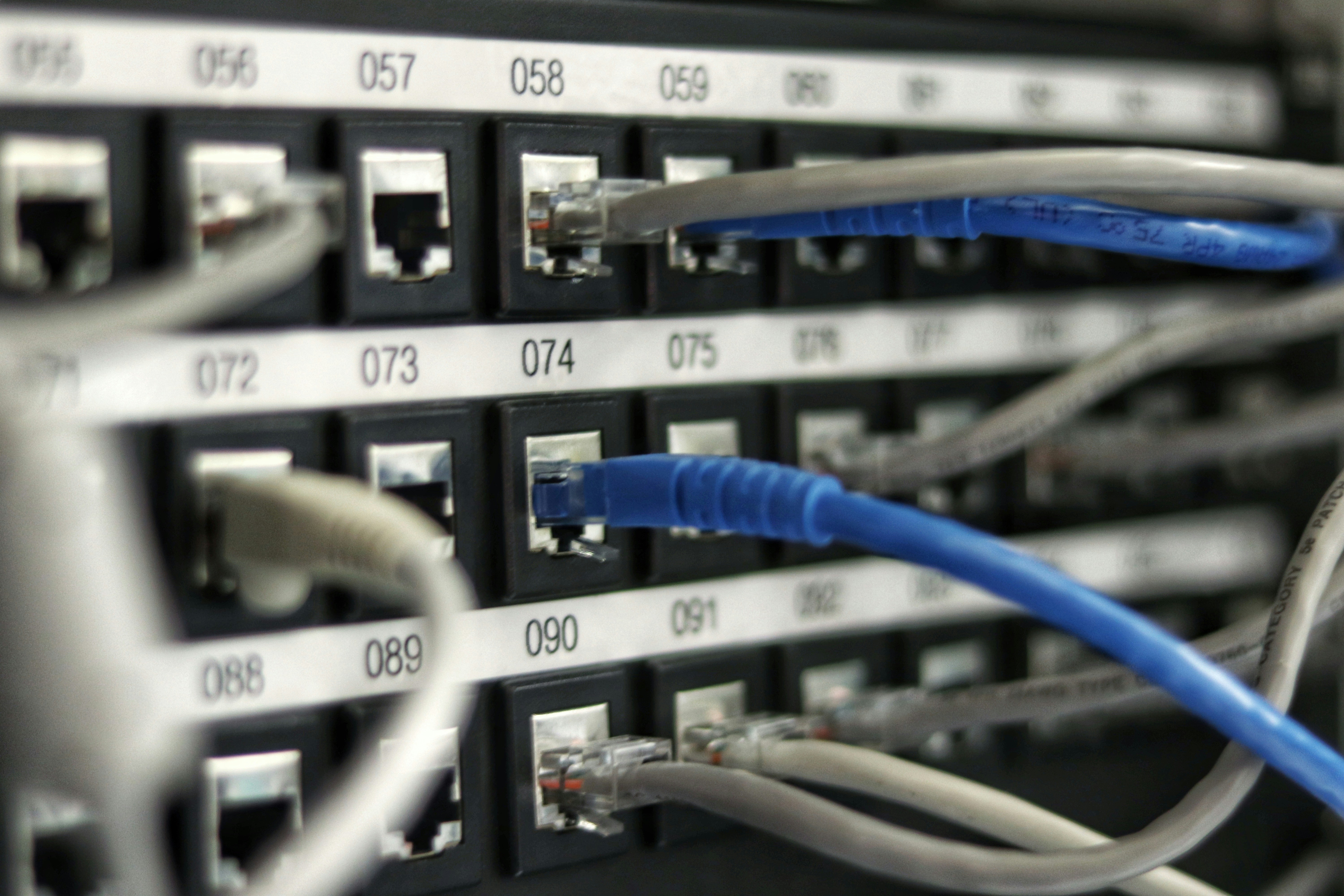
Home internet abroad is not plug-and-play -- expect 2-6 weeks between ordering and activation.
The Remote Work Emergency
If your income depends on a stable internet connection -- remote work, freelancing, online business -- the installation gap is a business continuity problem. Your solution during this gap determines whether you lose clients or just lose comfort. Before you arrive, research coworking spaces near your first accommodation. Buy a local SIM with a generous data plan on day one. Some mobile providers offer portable WiFi routers with 100-200GB monthly plans that can bridge the gap. This is not a luxury -- it is insurance against your primary income channel going dark.
Speed and Reliability Vary Wildly
The internet speed at your address depends on local infrastructure, not the provider's marketing. A building in central Berlin might have fiber. A building one street over might max out at 16 Mbps DSL. In many countries, you can check the actual available speed at your specific address before signing up -- use the provider's address checker or a national broadband map. Do this before signing a lease if remote work matters to you. A beautiful apartment with 10 Mbps internet is a beautiful apartment where you cannot do video calls.
Internet Setup Survival Plan
- Check available internet speeds at your address before signing a lease
- Order your connection the day you have a registered address -- the clock starts then
- Buy a local SIM with a large data plan (50-200GB) as your backup connection
- Research portable WiFi router options from local mobile providers
- Identify coworking spaces near your accommodation for the installation gap
- Avoid 24-month contracts if your visa or housing situation is uncertain
Check Before You Sign the Lease
If you work remotely, internet speed is as important as the number of bedrooms. Use the provider's address checker or a national broadband map to verify speeds at any address before committing. The cost of a backup connection for 4 weeks is trivial compared to the cost of missing deadlines or losing a client.
Key Takeaway
Do not treat internet setup as an afterthought. Order your connection the moment you have an address, have a backup plan for the 2-6 week installation gap, and always verify available speeds before signing a lease. For remote workers, connectivity is not a utility -- it is infrastructure for your income.


