
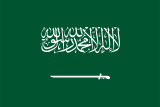
 Middle East
Moving to Saudi Arabia
A rapidly transforming kingdom where ancient traditions meet Vision 2030 ambition and zero income tax.
Non-EU, Visa Required
Up to 90 days (Tourist e-Visa) or per visa type
High
Arabic (Official), English (Widely used in business)
Medium-High
Do you need a visa to enter Saudi Arabia?
See the Saudi Arabia visa requirement, max stay, and key requirements for every passport — verified against official sources.
Check Saudi Arabia visa rulesCountry at a Glance
Saudi Arabia is undergoing the most ambitious national transformation in the modern Middle East. Vision 2030, launched in 2016, is reshaping the Kingdom from an oil-dependent economy into a diversified hub for tourism, entertainment, technology, and mega-projects like NEOM, The Red Sea, and Diriyah Gate. For expatriates, the draw is powerful: zero personal income tax, competitive salaries, a low cost of everyday goods, and an increasingly open social environment. However, the system still operates on sponsorship (historically kafala, now reformed), religious law influences public life, and bureaucracy can be dense. Daily life revolves around prayer times, which pause commerce five times a day, and Ramadan reshapes the entire month. Summers are extreme, with temperatures regularly exceeding 45C in Riyadh and 50C in the Eastern Province. The expat community is massive — roughly 13 million foreign residents in a population of 32 million — which means well-established support networks exist for nearly every nationality. The country is safe, infrastructure is modern, and the pace of change is extraordinary, but newcomers must respect deeply held cultural and religious norms that remain central to Saudi identity.
Relocation Realities
Unfiltered insights into daily life and structural realities.
Life & Economics
Solid middle-class lifestyle. High cost of living, especially rent. Strong purchasing power.
Housing Reality
Housing shortages in major cities. Strong tenant protections but hard to find places.
Work & Income
Strong labor laws, protected time off. Formal business culture. Local language often needed.
Taxes & Society
Complex tax systems with strong social benefits. Bureaucracy is heavy but functional.
Healthcare System
Insurance-based (public/private mix). High quality, accessible.
Living Environment – Transportation
Dense train networks (high speed). Cars often a liability in historic city centers.
Living Environment – Connectivity
Excellent. Central hubs (Frankfurt, Paris, Amsterdam) connect globally.
Climate & Seasons
Temperate. Grey winters, pleasant summers. Heatwaves becoming more common.
Travel & Leisure
City breaks by train, cultural tourism, and Mediterranean summers.
Visa & Legal Pathways Overview
Saudi Arabia requires employer sponsorship for most work permits. The Iqama (residence permit) is the core document. Vision 2030 has opened new visa categories including Premium Residency and tourist e-visas.
Official source: Ministry of Human Resources and Social Development / MOFAEmployment Visa (Work Visa)
For workers with a job offer from a Saudi employer. The employer sponsors the visa and obtains the Iqama after arrival.
Student Visa
For students admitted to Saudi educational institutions. Requires acceptance letter and financial guarantees.
Family Visit / Dependent Visa
For family members of Iqama holders. Sponsor must meet salary thresholds.
Specific Visa Types
Tourist e-Visa
Up to 90 days per visit, 1-year multiple entryCitizens of 49+ eligible countries
Tourism, visiting family, attending events, or performing Umrah. Available online or on arrival.
Official InfoBusiness Visit Visa
Up to 90 daysBusiness professionals, investors, conference attendees
Attending meetings, conferences, exploring business opportunities. Does not permit employment.
Official InfoEmployment Visa (Work Visa)
1-2 years (renewable)Foreign workers with a job offer from a Saudi employer
Long-term employment in Saudi Arabia. Employer sponsors the visa and handles most of the process. Since mid-2025, HRSD classifies every work permit into one of three skill tiers (high-skill, skilled, basic) based on education, experience, professional skills, wage, and age; the tier is assigned automatically via Qiwa and affects Iqama issuance and renewal.
Official InfoPremium Residency (Saudi Green Card)
Permanent (800,000 SAR one-time) or 1-year renewable (100,000 SAR/year)High-net-worth individuals, investors, skilled professionals
Permanent or temporary premium residency without employer sponsorship. Allows property ownership, business establishment, and family sponsorship. One route into Premium Residency is Real Estate Owner Residency, requiring ownership of a qualifying SAR 4,000,000+ residential property. Since 21 January 2026, under the Law of Real Estate Ownership and Investment by Non-Saudis, non-Saudis (resident or non-resident) may own qualifying real estate in Council-of-Ministers-designated zones across most major Saudi cities — a sharp widening from the narrow zones previously permitted (Makkah and Madinah remain highly restricted), which expands the practical pool of investors eligible for this residency route.
Official InfoWhere People Find Jobs & Income
Saudi Arabia's job market is booming under Vision 2030, with massive demand in construction, technology, healthcare, entertainment, tourism, and finance. However, Saudization (Nitaqat) policies require companies to maintain minimum quotas of Saudi employees, which affects hiring patterns for expatriates. Most expats are recruited internationally before arriving, though in-Kingdom job changes are now permitted under labor reforms.
Salary & Income Reality
"The headline draw is zero personal income tax, meaning gross salary equals net salary. However, 5% VAT applies to most purchases, and the cost of housing in Riyadh and Jeddah has risen sharply since 2022. Salary packages for expats traditionally include base salary plus allowances (housing, transport, education), though all-inclusive single-figure packages are becoming more common."
- • No income tax means your gross is your net — but always negotiate the full package including allowances.
- • Housing costs in Riyadh have increased 30-40% since 2021 due to Vision 2030 demand.
- • School fees for international schools range from 30,000 to 120,000 SAR per child per year.
- • Healthcare is employer-provided by law (mandatory private insurance under CCHI regulations).
Where People Actually Find Housing
How it works
Rental housing is the norm for expatriates. Compounds (gated communities with shared facilities like pools, gyms, and social areas) are popular with Western expats and families, while apartments in the city are more common for single professionals and those seeking a more integrated experience. Leases are typically annual, and landlords often require one to four post-dated cheques covering the full year.
Expectations
Expect to pay rent annually upfront or in two to four cheques. Compound living offers convenience and community but at a premium. City apartments are cheaper but vary widely in quality. Always verify the landlord through Ejar (the government rental platform) and ensure your contract is registered there — it protects both parties legally.
Healthcare Reality
Private health insurance is mandatory for all expatriates and must be provided by the employer under CCHI (Council of Cooperative Health Insurance) regulations. The quality of private healthcare in major cities is excellent, with modern hospitals and English-speaking staff. Public hospitals are primarily for Saudi nationals. Pharmacies are well-stocked and many medications available over the counter in other countries require a prescription here. Emergency care is available to everyone regardless of insurance status.
How Daily Life Is Managed Digitally
Saudi Arabia is rapidly digitizing. Government services are increasingly online-first through platforms like Absher and Tawakkalna. Mobile internet penetration is among the highest globally, and 5G coverage is widespread in cities.
Essentials:
Cultural Nuances
Saudi culture is rooted in Islamic values, tribal traditions, and Arab hospitality. Generosity is a core virtue — expect to be offered coffee (qahwa) and dates in any social or business setting, and refusing is considered impolite. The pace of life follows prayer times: shops close briefly five times daily, and Friday is the holy day (the weekend is Friday-Saturday). Gender mixing in public has relaxed significantly since 2019, but conservative norms persist in many areas outside Riyadh and Jeddah. Ramadan transforms daily life for an entire month: eating, drinking, and smoking in public during daylight hours is prohibited for everyone. The social hierarchy values respect for elders, patience in dealings, and relationship-building before business.
- •Hospitality is sacred — accepting offered coffee and dates is a sign of respect.
- •Prayer times pause daily life five times; plan errands around them.
- •Ramadan affects business hours, restaurant availability, and social norms for the entire month.
- •Dress conservatively in public: men in long trousers and shirts, women no longer required to wear abaya but modest clothing is expected.
- •Alcohol is strictly prohibited throughout the Kingdom — there are no exceptions.
- •Weekends are Friday-Saturday; Sunday is a normal working day.
Local Administrative Requirements
Iqama (Residence Permit)
The Iqama is your national identity document as a foreign resident. It is a green card-sized document containing your name, nationality, profession, sponsor details, and a unique ID number used for all government and private transactions.
GOSI Registration (General Organization for Social Insurance)
GOSI is the mandatory social insurance system. Employers must register all employees and contribute 2% of salary for non-Saudi workers (covering occupational hazards). Saudi employees have additional pension contributions.
Absher Account
Absher is the unified government services platform run by the Ministry of Interior. It is the Saudi equivalent of a digital government portal, handling everything from visa services and traffic violations to passport renewals and dependent permissions.
Muqeem (Employer Portal)
Muqeem is the employer-facing platform of the Directorate General of Passports (Jawazat). Employers use it to manage Iqama issuance, renewal, exit/re-entry visas, final exit visas, and profession changes for their sponsored workers.
Travel & Mobility
Mobility & Exploration
Getting Around
Saudi Arabia is car-dependent. Public transport is limited but expanding — Riyadh Metro (opening in phases) and the Haramain high-speed train between Mecca and Medina are flagship projects. Ride-hailing apps (Uber and Careem) are widely used and reliable. Domestic flights between cities are frequent and affordable via Saudia, flynas, and flyadeal. Speed limits are strictly enforced by Saher cameras, and traffic violations are tracked electronically with fines deducted through Absher.
Connections
Excellent international connectivity through major hubs. King Khalid International Airport (Riyadh), King Abdulaziz International Airport (Jeddah), and King Fahd International Airport (Dammam) offer direct flights to destinations across Asia, Europe, Africa, and the Americas. Saudia, the national carrier, operates an extensive global network. The country is positioned as a crossroads between East and West, with most of the world reachable in under 8 hours.
Exploration
Domestic tourism is booming under Vision 2030. AlUla offers ancient Nabataean tombs rivaling Petra. The Red Sea coast has pristine coral reefs and resort developments. The Asir Mountains near Abha provide cooler temperatures and green landscapes. The Empty Quarter (Rub al Khali) is the world's largest sand desert. Edge of the World near Riyadh is a dramatic escarpment. Jeddah's historic Al-Balad district is a UNESCO World Heritage Site. Diriyah, the birthplace of the Saudi state, is being developed into a massive cultural destination.
Important Considerations
Extreme Summer Heat: From May to September, temperatures regularly exceed 45C (113F) in Riyadh and can reach 50C in the Eastern Province. Outdoor activity is essentially impossible during midday. Plan your life around air conditioning.
Sponsorship System: Although reformed, your employer still has significant control over your legal status. Understand your rights under the new labor reforms — you can now change jobs without employer consent after completing your contract or after 1 year with notice.
Alcohol Prohibition: Alcohol is completely banned. There is no legal way to purchase or consume alcohol in Saudi Arabia. Violations carry severe penalties including fines, imprisonment, and deportation.
Ramadan Impact: During the holy month, working hours are reduced (typically 6 hours), restaurants are closed during daylight, and public eating or drinking before sunset is prohibited for everyone regardless of religion. Plan accordingly.
Gender Norms: While dramatically relaxed since 2019 (women can drive, attend stadiums, work in most sectors), some cultural expectations around dress and public behavior persist, particularly outside major cities.
Prayer Time Closures: Shops, malls, and restaurants close briefly during each of the five daily prayer times. This can disrupt schedules if you are not accustomed to planning around them.
Common Mistakes to Avoid
Not negotiating the full salary package. Base salary alone is meaningless without knowing whether housing, transport, education, and annual flights are included or excluded.
Arriving without understanding your Iqama timeline. Your employer has 90 days to issue your Iqama after arrival. Until then, you operate on a temporary work permit with limited access to services.
Underestimating housing costs in Riyadh. Demand from Vision 2030 projects has driven compound rents to 80,000-200,000 SAR per year for family units.
Assuming Western social norms apply everywhere. While Riyadh and Jeddah are increasingly cosmopolitan, smaller cities and rural areas maintain conservative expectations.
Not registering on Absher immediately. Delays in setting up your Absher account cascade into delays for everything else: banking, driving license, dependent visas, and exit/re-entry permits.
Ignoring the heat. Newcomers from temperate climates consistently underestimate how debilitating 48C heat is. Dehydration, heat exhaustion, and car breakdowns are real risks from May to September.
Service Directory - Saudi Arabia
Immigration Lawyers & PRO Services
Specialized legal assistance for visa applications, Iqama processing, and labor dispute resolution.
Real Estate & Housing
Property search platforms and agencies for compound and apartment rentals.
Accountants & Tax Advisors
Financial advisory for businesses, VAT compliance, and end-of-service benefit calculations.
Moving & Relocation Companies
International shipping, packing, customs clearance, and local settling-in services.
Language Schools
Arabic language courses and cross-cultural training for expatriates.
Healthcare Providers
Major private hospital groups and clinics commonly used by expatriates.
Job Placement & Recruitment
Recruitment firms connecting international talent with Saudi employers across Vision 2030 sectors.
Emergency Services
Unified Emergency Number
Police, Ambulance, Fire, and Traffic accidents. Operates 24/7 in Riyadh, Mecca, and Eastern Province.
Police
Police emergency line, available nationwide.
Ambulance (Saudi Red Crescent)
Emergency medical services operated by the Saudi Red Crescent Authority.
Civil Defense (Fire)
Fire emergencies and rescue operations.
Official Sources & Further Reading
Ministry of Foreign Affairs (MOFA)
Visa applications, diplomatic services, and consular information.
Ministry of Human Resources and Social Development (HRSD)
Labor laws, worker rights, Saudization policies, and employment dispute resolution. Official guidelines classify every work permit into three skill tiers (high-skill, skilled, basic) via Qiwa, since mid-2025.
General Directorate of Passports (Jawazat)
Iqama issuance, renewal, exit/re-entry visas, and residency regulations.
Visit Saudi (Saudi Tourism Authority)
Official tourism portal with e-Visa application, travel guides, and event calendars.
Council of Cooperative Health Insurance (CCHI)
Regulations and verification for mandatory health insurance coverage.
Ministry of Investment of Saudi Arabia (MISA)
Official text of the Law of Real Estate Ownership and Investment by Non-Saudis, in force since 21 January 2026, governing foreign property ownership in designated zones.
Consular Services
For consular assistance, passport services, and official guidance related to Saudi Arabia, consult the Saudi Ministry of Foreign Affairs or a Saudi embassy or consulate abroad.
Related Country Guides
Similar destinations you might also consider.


Take this guide with you
The GoMate App is in active development. Join the waitlist to get a personalized Saudi Arabia relocation plan when we launch.