
The Assumption
Most movers assume that their passport is the golden key. We think, 'I have my ID and my visa, so I am covered.' We view documents like birth certificates, marriage licenses, or university diplomas as artifacts of the past, relevant only for specific milestones, not for daily life or general registration.
The Reality
Foreign systems do not know who you are. To them, your passport proves your nationality, but it does not prove your civil status, your qualifications, or your history. To reconstruct your identity in a new country, you often need to provide the 'source code' of your life: original records that prove you are single, married, educated, or law-abiding.
Proof vs. Recognition
Possessing a document is not the same as having it recognized. A legal document from Country A is just a piece of paper in Country B until it has been authenticated (often via Apostille) and translated. The system is not questioning your honesty; it is questioning the document's legibility within its own legal framework. If the chain of authentication is broken, the document is administratively worthless.
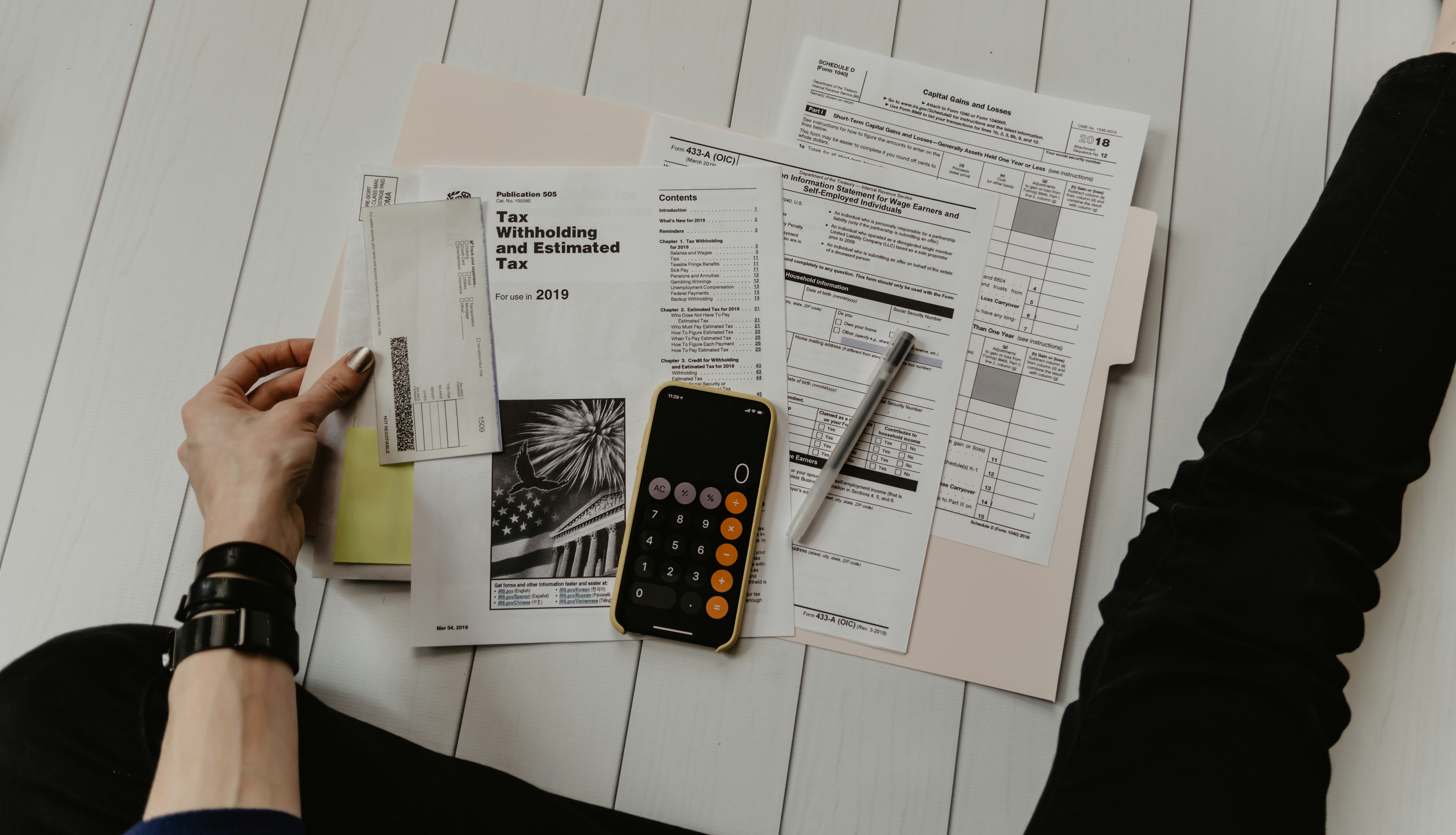
Your portable identity is only as strong as the paperwork backing it up.
The Timing Trap
The cruelest irony of documentation is that many records are difficult or impossible to obtain once you have left the country of origin. Background checks often require fingerprints taken at a specific local station. University transcripts may need to be sealed in person. Realizing you need a document from home while you are thousands of miles away turns a minor errand into a logistical nightmare.
Documents Most People Forget to Bring
- Birth certificate (original + apostilled)
- Marriage or divorce certificate (apostilled)
- Police clearance / background check (often valid only 3-6 months)
- University diploma and transcripts (sealed, apostilled)
- Driving record / license history
- Proof of no-claims bonus for insurance
- Vaccination records
- Reference letters from previous landlords or employers
Why This Matters
You are moving from a high-trust environment (where you are known) to a zero-trust environment. In a zero-trust environment, paper is the only currency. If you lack the currency, you cannot buy entry into the system. You might be denied a job not because you lack skills, but because you lack the verified piece of paper that proves you have them.
Build Your Portable Identity
Stop thinking of documents as 'things I need for the application' and start thinking of them as 'my portable identity.' Build a comprehensive physical and digital archive of your life before you leave. Scan everything. Store copies in cloud storage. It is better to carry a folder of documents you never use than to need a single sheet of paper you cannot get.
Key Takeaway
Your passport gets you through the border. Everything else -- birth certificates, diplomas, background checks, apostilles -- is what gets you into the system. Gather it all before you leave, because obtaining it remotely ranges from expensive to impossible.


